
HEATHER MARTEL
Guidance & Support in Dying, Death, and Grief
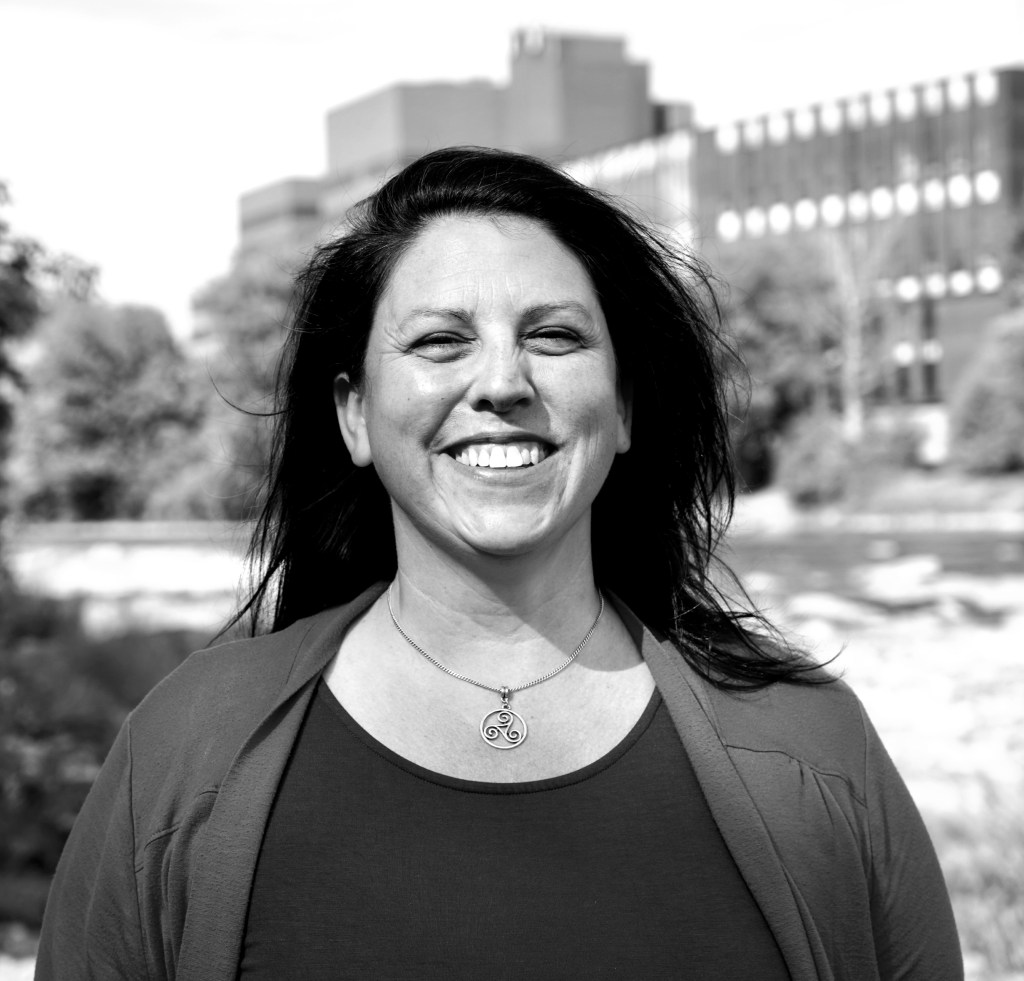
Shaped by countless teachers – primarily Eastern Ontario’s seasonal changes, Fundy tidal rhythms, and the movement of breath – my approach is informed by nature-based and transpersonal perspectives.
Typical offerings include counsel, breathwork, guided meditation, and simple ritual healing support. I am neither a registered psychologist nor psychotherapist.
Grounded in creativity, playful curiosity, and compassion for our human predicament, my work is motivated by these core ideas:
Exploring dying and post-mortem processes helps us understand the timelines and decisions involved. This offers an opportunity to align actions with core values and move at a pace more in tune with subtle needs.
Like a birth plan, we can consider what is important, have key conversations, and make arrangements to help support certain outcomes. This process can also illuminate areas of our life in need of greater tending.
Intentionally engaging with cycles of dying, death, and rebirth exercises our muscles of surrender. This increases our capacity to stay present with the fundamental nature of change, uncertainty, and suffering.
“Your non-existence before you were born is the sky in the east. Your death is the western horizon, with you here between. The way leads neither east nor west, but in.”
Rumi
Get in Touch
Still in stages of discovery from my own brush with death, I’m not publicly offering direct services at this time. However, I am connected to a network of trusted practitioners and can provide resources.
Please reach out if you are looking for support and don’t know where to begin.
Thank you!
“This (being with dying) is the work of a village, the work everyone should know how to do. We need to develop the skills of non-dual caregiving, we need to develop skills of healing as non-professional healers.”
Joan Halifax
Background
After early life initiations in loss and grief, Stephen Levine’s “A Year to Live” experiment found me in 2009 and sparked engagement with death as part of a daily rhythm. After a period of self-directed learning from pioneers in the field of conscious dying and family-led deathcare, I studied under Donna Belk‘s Beyond Hospice End-of-Life & Home Funeral Guide program through 2015/16.
Time as a Personal Support Worker deepened my understanding of the physical realities of caregiving, while training with Sarah Kerr through The Centre for Sacred Deathcare expanded my awareness of subtle energy and ritual practices for grief and healing. The Living/Dying Project’s Conscious Living, Conscious Dying program brought things full circle by strengthening my initial draw to “caregiving as non-dual practice”.
Studying the principles of transpersonal therapy and engaging consistently in various types of journey work has allowed me to explore states of consciousness that encourage acceptance, presence, and a sense of connection beyond individual identity. I’ve encountered insights about impermanence, fear, and the continuity of meaning, which have softened anxiety related to the ending of life in this body. These approaches haven’t rendered me invincible or entirely fearless, but they have helped to cultivate emotional resilience and develop a more compassionate, grounded relationship with my own mortality.
My work draws on all this along with skills honed through careers in customer service, event coordination, and university academic counselling, as well as personal experience in parental caregiving and supporting my partner through a career in funeral transfer services. Since 2019, I’ve been actively involved with Community Deathcare Ottawa, providing administrative and event support, building relationships with local practitioners, and engaging in educational dialogues around death preparation and family-led deathcare.
I believe one of the most compassionate acts we can offer ourselves and one another is to intentionally make space for death.
“There is probably nothing more direct that you and I can do to bring our planet and our society back into balance than deal with our fundamental, unexamined, collective fear of death.”
Dale Borglum
 Space for Death